
Understanding brand standards
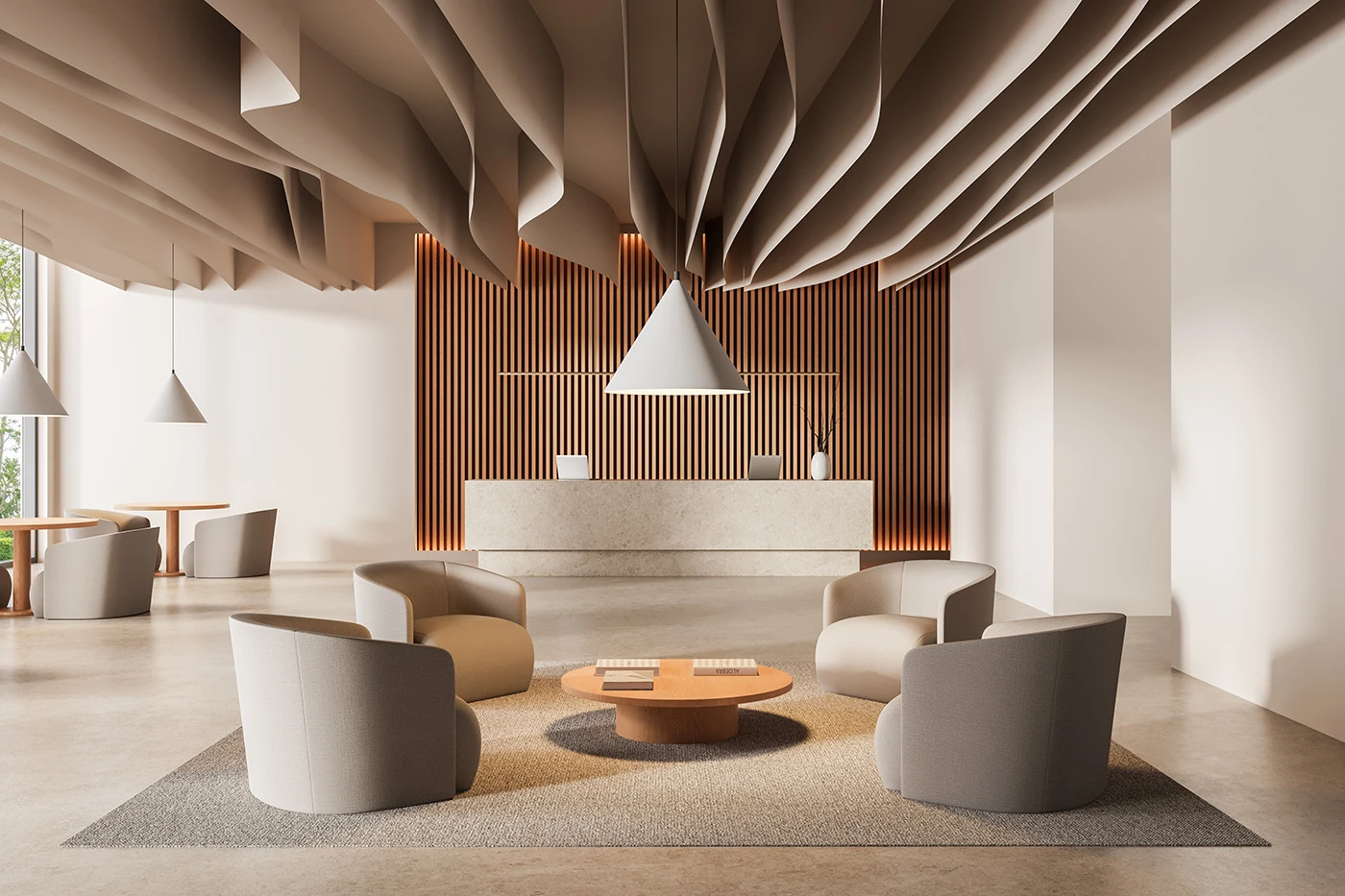
What hotel developers need to know about meeting operator expectations, protecting guest experience, and maintaining long-term asset value.
Partnering with a hotel brand gives your project access to powerful systems—from global marketing and reservations to operational playbooks. But it also brings a set of design and technical requirements that influence almost every detail, from site planning and materials to timelines and costs.
Before signing, developers need to understand what these requirements mean in real terms.
1. Brand standards go well beyond interiors
Hotel brands don’t just care about design flair. Their standards shape everything from guest experience to building performance. Typical requirements include:
- Minimum room sizes and ceiling heights
- Prescribed bathroom layouts and approved fixtures
- Defined lobby flow and guest circulation
- Detailed back-of-house layout and storage provisions
- Mandatory sustainability criteria
- Technical specifications for MEP systems
These standards may clash with your market conditions, local construction norms, or budget. Understanding them early allows you to adapt or negotiate where needed.
2. Compliance leaves little room for interpretation
Unlike independent hotels, brand-affiliated properties operate under strict protocols. Most brands will:
- Review drawings at key design milestones
- Approve all FF&E and interior materials
- Conduct progress inspections during construction
- Require full compliance with a pre-opening checklist
Delays or last-minute adjustments to meet brand demands can be costly. Building brand approvals into the timeline is essential for delivery certainty.
3. Back-of-house flow isn’toptional
BOH design is often overlooked in early stages—but it’s non-negotiable for hotel operators. Typical brand mandates include:
- Staff circulation paths
- Floor-level housekeeping rooms
- Centralised waste and laundry handling
- Controlled access for security and storage
- Receiving and kitchen logistics
Poor BOH planning affects long-term operations. Brands will not compromise on layouts that impact safety, hygiene, or efficiency.
4. Every brand comes with its own priorities
No two brands are alike. Even within the same hospitality group, each flag brings different guidelines and expectations.
- Luxury brands tend to enforce detailed specifications and sourcing rules
- Lifestyle brands may emphasize aesthetics and social spaces
- Midscale brands often focus on operational efficiency
Choose a brand that aligns with your project goals, target audience, and physical constraints, not just based on prestige or familiarity.
5. Brand approvals happen in phases
Approval isn’t a one-and-done step. It happens at defined stages throughout the project lifecycle:
- Concept design sign-off
- Schematic review
- Technical integration and MEP validation
- Pre-opening readiness check
Each delay in feedback can stall procurement and site progress. Timeline planning should account for each round of input and sign-off.
Our approach
Hotel brand partnerships can unlock long-term value—but only when the development structure anticipates and supports their standards. At Ascentis, we lead with clarity. Our teams engage with brands from day one, ensuring that expectations are mapped, timelines stay on track, and surprises are kept to a minimum.
When you understand what’s required early, you avoid rework, reduce risk, and protect your investment.