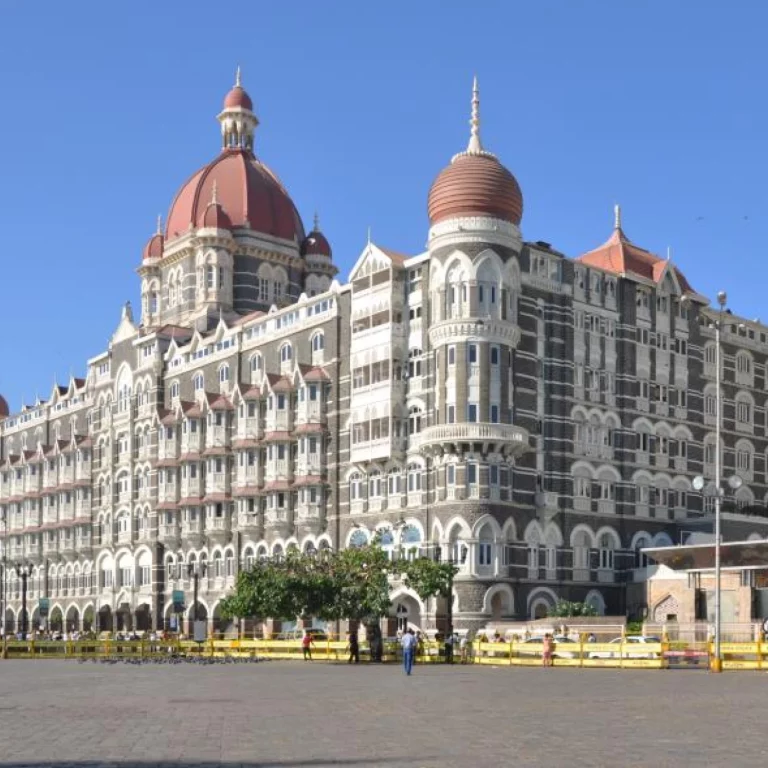
The Taj Mahal Palace, Mumbai: Restoring an Icon
Opened in 1903, the Taj Mahal Palace is India’s most celebrated hotel. With its blend of Oriental, Florentine, and Moorish architectural styles, the Palace Wing became the hotel that defined the modern hospitality landscape in India. Over the decades, it has hosted royalty, heads of state, and world leaders, standing as a symbol of Mumbai’s cosmopolitan spirit.
Following the devastating attacks of November 2008, IHCL appointed Ascentis to lead the restoration of the Taj Mahal Palace, Mumbai. The Palace Wing had suffered extensive fire and blast damage to its grand staircase, Sea Lounge, ballroom, restaurants, suites, guestrooms, and roof.
The project covered 300,000 square feet and required the coordination of more than 1,000 people, including international consultants, art specialists, and 600 construction workers. Ascentis managed all aspects of delivery with the clear goal to reopen within one year and restore the Taj to its historic place as India’s most iconic hotel.
Project Objectives
- Restore the Palace Wing to its original grandeur within one year
- Repair fire and blast damage while preserving heritage architecture
- Coordinate a team of five international design firms across guestrooms, suites, and F&B outlets
- Integrate modern MEP, security, and FLS systems into a listed heritage structure
- Reinstate the Taj as a global symbol of resilience and world-class hospitality
Challenges
Achievements
Impact and Legacy
The restoration of the Taj Mahal Palace showed how fast-track delivery can succeed even in the most complex conditions. The project set benchmarks in heritage renovation, design coordination, and project execution under pressure. It remains an example of decisive leadership and meticulous planning applied to one of the most important hotel projects in India’s history.