
How BIM reduces errors and rework
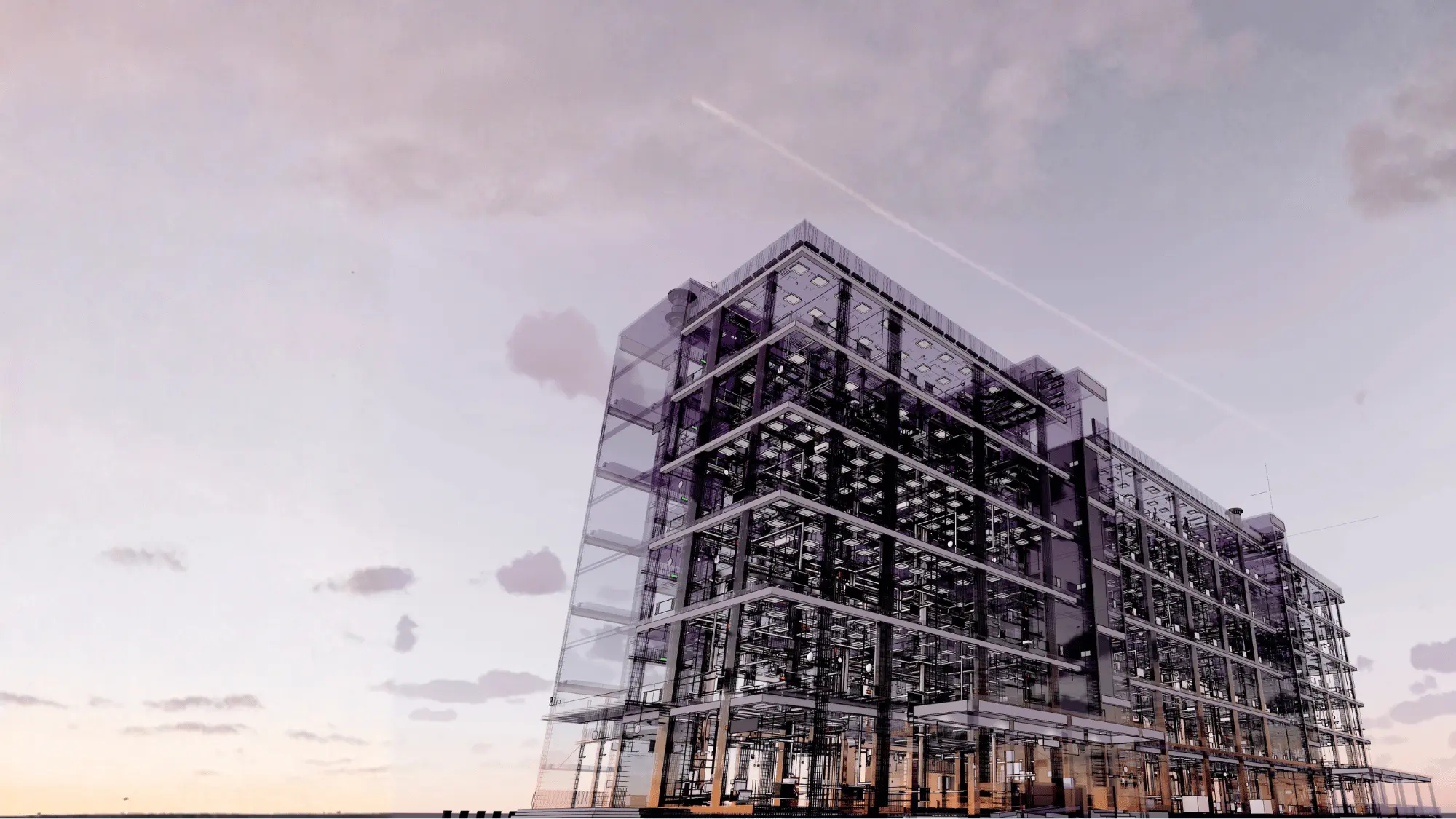
Improve coordination, catch design clashes early, and ensure every stakeholder works from the same accurate, data-driven model.
In hotel developments, coordination errors can quietly accumulate into budget overruns, delayed openings, and compromised quality. These issues are often baked into traditional workflows, where design disciplines operate in silos and conflicts aren’t uncovered until they materialise on site.
Building Information Modelling (BIM) provides a better way. By integrating architectural, MEP, interior, and structural elements into a unified 3D model, BIM helps project teams identify issues early, reduce procurement waste, and streamline delivery.
The Hidden Cost of Rework
Rework accounts for an estimated 5-15% of total project costs globally, and often more in hospitality due to:
- Confined service zones (bathrooms, kitchens, ceiling voids)
- Non-negotiable brand specifications
- Accelerated fit-out timelines tied to opening schedules
In a 100-key hotel with a capex of $15M-$25M, even a 5% rework rate equates to $750K-$1.25M in unnecessary spend.
How BIM Reduces That Risk
Addressing fit-out, procurement, and brand compliance
BIM also improves downstream phases:
- Procurement planning: Aligns design with long-lead item ordering.
- Mock-Up reviews: Room layouts can be validated digitally before physical mock-ups.
- FF&E and OS&E coordination: Reduces margin for installation errors in brand-critical zones.
Cost vs. Saving
While BIM adds 1-2% to the overall project budget as upfront design costs, that investment is offset several times over:
- 4-6% in cost savings from reduced rework, efficient material use, and fewer site changes
- Weeks saved on project timelines
- Higher quality outcomes and smoother brand approvals
In hospitality, every detail matters. Yet too often, traditional coordination fails to meet the demands of branded fitouts and compressed schedules. BIM offers a proven path to reduce risks, lower costs, and improve outcomes.